

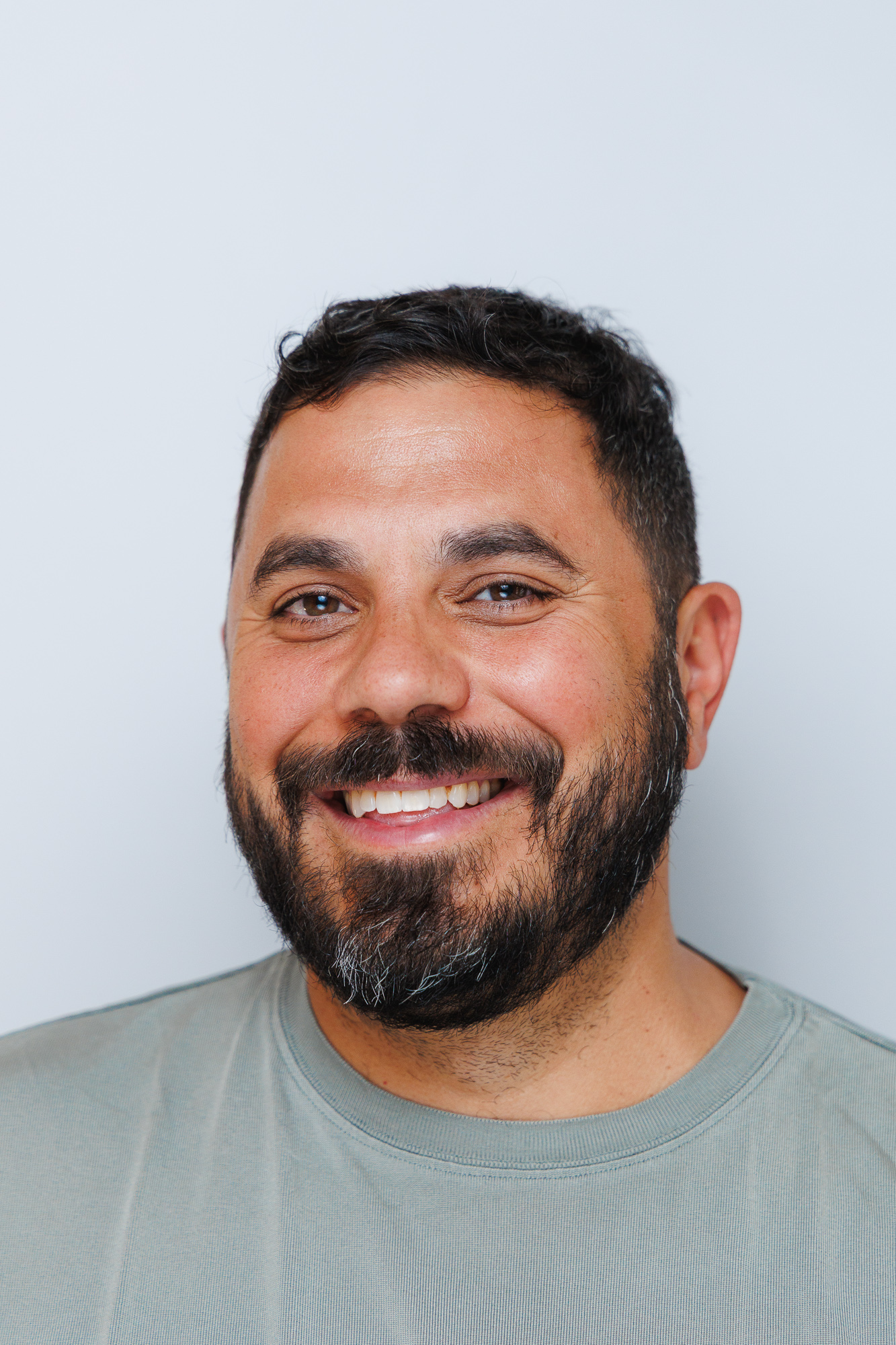
Join Karl Notargiovanni for Somatic Biomechanics a two weekend long 30hr YTT in Spring 2027
Somatic Biomechanics is an exploration of how the body moves, how it is structured, and how we experience movement from within.
The training brings together biomechanics, functional anatomy, fascia science, and somatic awareness to develop a deeper understanding of movement beyond simply how a posture looks or how it is traditionally performed.
We'll explore joint mechanics, muscular dynamics, skeletal variations, and the interconnected nature of the fascial system, while giving equal importance to our internal experience of movement. How does a posture feel? Where do we experience tension, resistance, stability, or ease? How can we adapt a movement to better support our individual anatomy?
The intention is to develop a more informed and curious relationship with the body, where anatomical knowledge and personal experience work together. Rather than striving for a particular shape or ideal alignment, we'll explore how to make movement more accessible, sustainable, and meaningful for each individual.
Through yoga, Pilates, and somatic movement practices, participants will discover different ways of approaching familiar movements, developing greater confidence in their choices and trust in their own physical experience.
This training is designed for anyone interested in developing a deeper understanding of their body and building a more informed, confident relationship with movement.
Whether you're a yoga or Pilates teacher, movement professional, dedicated practitioner, or simply curious about how your body works, you'll find opportunities to explore movement from a new perspective.
For teachers, the training offers tools to better understand anatomical differences, recognize that there is no single ideal way for every body to perform a posture, and develop more thoughtful ways of guiding students.
For students and practitioners, it's an opportunity to become more attentive to your own movement patterns, recognize what feels supportive or restrictive, and discover ways to adapt postures and exercises to suit your individual needs.
No particular level of flexibility, strength, or movement experience is required. Curiosity and a willingness to explore are what matter most.
This training is the culmination of over 20 years of experience in movement education, yoga, anatomy, and bodywork, bringing together traditional movement practices, contemporary biomechanical research, fascia science, somatic principles, and the philosophy of Traditional Chinese Medicine (TCM).
What makes this approach different is the equal importance given to the mechanics of movement and the experience of moving.
We'll look at the body from two complementary perspectives: understanding what is happening structurally and mechanically, while also developing the ability to sense and interpret what is happening internally.
We'll explore how differences in skeletal structure, joint mobility, muscle function, and fascial organization influence the way each of us moves. We'll also consider how our nervous system, sensory awareness, and individual experiences shape our relationship with movement.
TCM concepts, including the meridian system and Five Elements philosophy, will offer an additional perspective on the interconnectedness of the body and the relationship between movement, balance, and well-being.
Rather than following rigid rules or searching for a perfect posture, we'll develop an approach that encourages observation, experimentation, and individual adaptation.
The goal is to develop a better understanding of how your body works, how you move, and how you experience movement.
Over time, many of us develop habits and expectations around how a posture should look or how an exercise should be performed. This training invites you to question some of those assumptions and explore a more individualized approach.
You'll develop a framework for making informed movement choices, recognizing when to challenge yourself, when to modify, and when to explore a different approach altogether.
Ultimately, the intention is to support a movement practice that evolves with you—one that is adaptable, sustainable, and grounded in both anatomical understanding and personal experience.
Whether you teach movement or simply enjoy practising it, the goal is to cultivate greater awareness, confidence, and longevity in the way you move.
Participants will leave with:
For teachers, this also means developing a more adaptable teaching language and a broader understanding of how to guide different bodies through the same movement.

Weekend 1
Weekend 2
Be the first to know when we launch this training again


